
LiMi-Model
The Light-Microscopy (LiMi) Model organises agreed-upon metadata vocabulary and definitions of light microscopy hardware, acquisition settings, and quality-control metrics into a modular, flexible structure.
This approach supports sustainable, broad adoption within the global microscopy community and ensures the data produced are FAIR – Findable, Accessible, Interoperable, and Reusable
Purpose
- Promote and implement a globally consistent approach to managing image data throughout its lifecycle, from generation to publication, including use of major image data repositories – BioImage Archive, IDR, SSBD, Brain Image Library, Imaging Data Commons.
- Facilitate the reuse of image data, such as extracting quantitative information using advanced bioimage analysis techniques, including AI and machine learning.
- Engage stakeholders from academia, core facilities, and industry for the sustained success of the project.
Deliverables
- A flexible and adaptable data model, agreed upon by the community, that provides a globally consistent vocabulary for describing the entire microscopy pipeline – hardware, image acquisition settings (aligned with REMBI guidelines), and instrument quality control.
- A collection of machine-actionable metadata representations using the latest Linked Data technologies.
- An infrastructure that enables seamless interaction and progress within the microscopy community, spanning academia, industry, and related sectors.
Our Stakeholders
Getting started
- Read the Nature Methods paper about the model and review other relevant documentation on our Nextcloud.
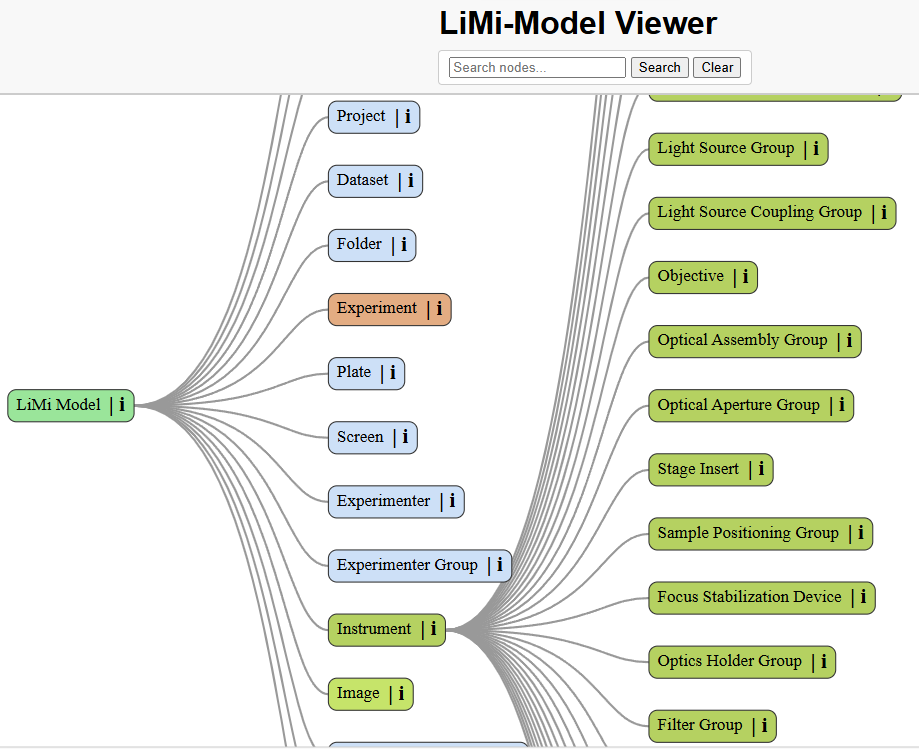
- Explore the structure of the model using the LiMi-Model Viewer and review the source code on GitHub.
- Test the model by annotating your images with the Micro-Meta App to experience its early applications.
- Share your feedback and impressions about the model with us on GitHub or by emailing limi-model@quarep.org.
Governance
Coming Soon: Summary of current processes and a publicly accessible Best-Practices document relevant to the LiMi Model
Learn more about why and how the LiMi Model was developed